


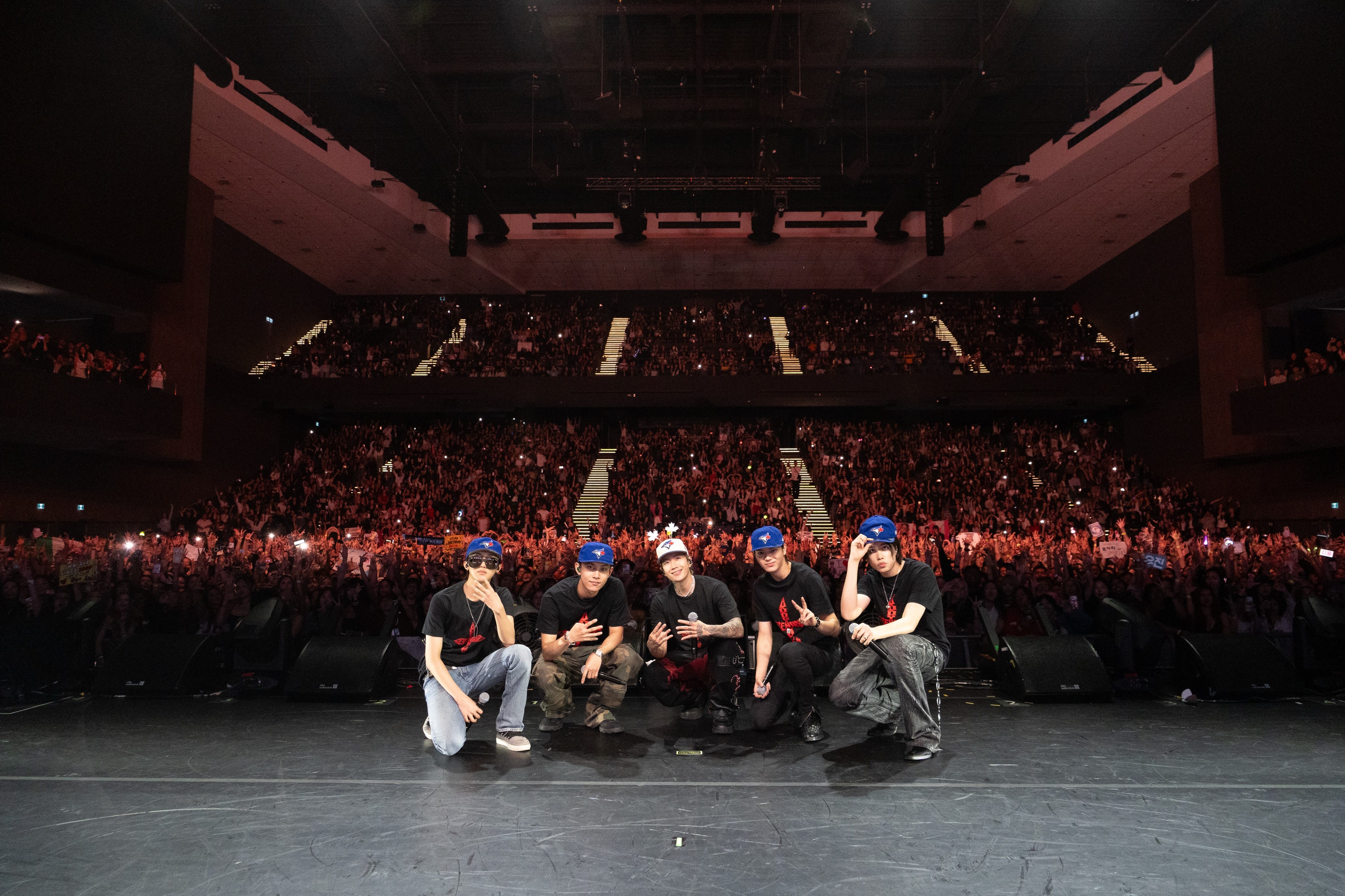
(Photo credit: @jaypark.worldtour)
When Jay Park revealed his new boy group in September 2025 at the University Festival in Seoul, he billed them as underdogs in the K-pop industry.
“Aren’t my kids handsome?” Park wrote on Instagram. “I’m not sure they’ll sell the most, but I’m confident they can do K-pop the coolest.”
That group was revealed as LNGSHOT, and officially debuted in January 2026. The name LNGSHOT is fitting to how Park billed them. As a shortened version of the phrase “long shot”, it represents their low probability of success.
By that assessment, LNGSHOT, has since exceeded expectations and have become one of the most exciting boy bands to watch in the fifth generation. Their debut EP Shot Callers received recognition for their self-produced singles and authentic and relatable concept. Particular praise was given to LNGSHOT for hits like the high energy rap track “Saucin” and the groovy R&B single “MOONWALKIN’.” Early in their career, Billboard also listed LNGSHOT as K-pop Rookie to Watch. And now, the four-piece act is on tour with their manager Park as his special guests.
However, some fans were not exactly pleased to hear that Park was going to bring his mentees on the road with him. Fans were quick to criticize Park for getting too involved with LNGSHOT’s performances, positioning himself at the centre during collaborations, and not letting LNGSHOT develop as individual artists.
This debate made me wonder: Is Jay Park too involved with LNGSHOT? Or is he simply giving the group what he didn’t have access to years ago?
Making his debut in 2008, Park came up at a time when Asian representation in media was extremely few and far in between. And in many ways, Park, now 39, still represents a type of Asian male that we don’t see often in the media.
He swears. He sings and raps about sex, which is still quite taboo in Asian cultures. He has piercings and tattoos, and isn’t afraid to show it all off shirtless as he performs. At times, his outspoken nature has even courted criticism and controversy. When he was a member of the group 2PM in the late 2000s, his old MySpace posts resurfaced, as he used unfavourable words to complain about living and training in Korea as an American. While he apologized, the severe public backlash he experienced forced him to ultimately leave the band.
Still, Park is proof that leaving a K-pop group can lead to greater opportunities. A trained break dancer, Park continues to sing, dance and rap with the same energy as his younger peers. He’s considered an influential figure in the Korean R&B and hip hop scene, with artists like GOT7’s BamBam and aespa’s Ningning saying they’re fans. Park is rare proof of someone who has rebranded and redebuted successfully as a former K-pop idol.
Given Park’s ups and downs throughout his career, I can understand why he wants to set an example for LNGSHOT, whose members range between 16 and 20 years old.
Even Park chimed in on the criticism he has received over his involvement with LNGSHOT in a series of posts on X back in June.
“I been doin this for 20 years lol who u think knows better? Me or u? (sic) All the narratives yall paint online means NOTHING in real life. Just enjoy the music and the ride,” he posted.
“They have a career cause I built something to give them,” he said in another post.
Park also stated that LNGSHOT are very involved in their career, and speak freely with him about their musical direction and growth like family members.
“The boiz (sic) respect and are always grateful towards me and I respect and will look after the boiz when need be. We a family and we solid ✊ not fake online family but real real family.”
Park may be rough around the edges, it’s clear he wants his group to succeed as best they can. Hence, it’s why I actually felt including LNGSHOT on tour made perfect economical and marketing sense.
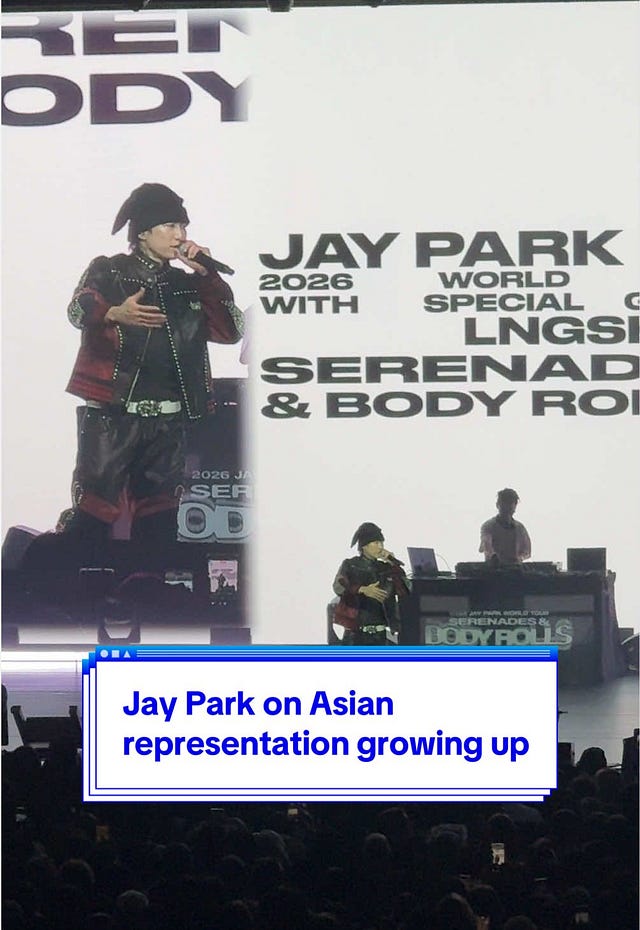
 Tiktok failed to load.
Enable 3rd party cookies or use another browser
Openers are common in concerts, although we don’t often see them at K-pop shows. It gives newer acts more time to get used to performing on stage. But given LNGSHOT’s involvement with Park, it also helps the group build a diverse fanbase of teens and adults. LNGSHOT also doesn’t have a lot of songs on their discography, so being a special guest lessens the pressure to deliver a full set list.
At the Jay Park concert in Toronto, the show felt like a celebration of K-R&B from generation to generation. LNGSHOT had their moment to shine, showing off youthful swagger and high energy moves and charisma. At times, Park also welcomed them on stage to join him during specific sets and the encore. It felt like watching a father passing the torch on to his ducklings. And it seemed obvious that he was quite protective of the LNGSHOT members.
Meanwhile, on his own, Park pulled all the stops proving that a man in his late 30s can still move and command a stage solo. He paid tribute to Michael Jackson, donning a fedora, a sparkly jacket and the signature silver sequin glove…letting the spirit of the King of Pop take over him in a dance cover of “Billie Jean.”
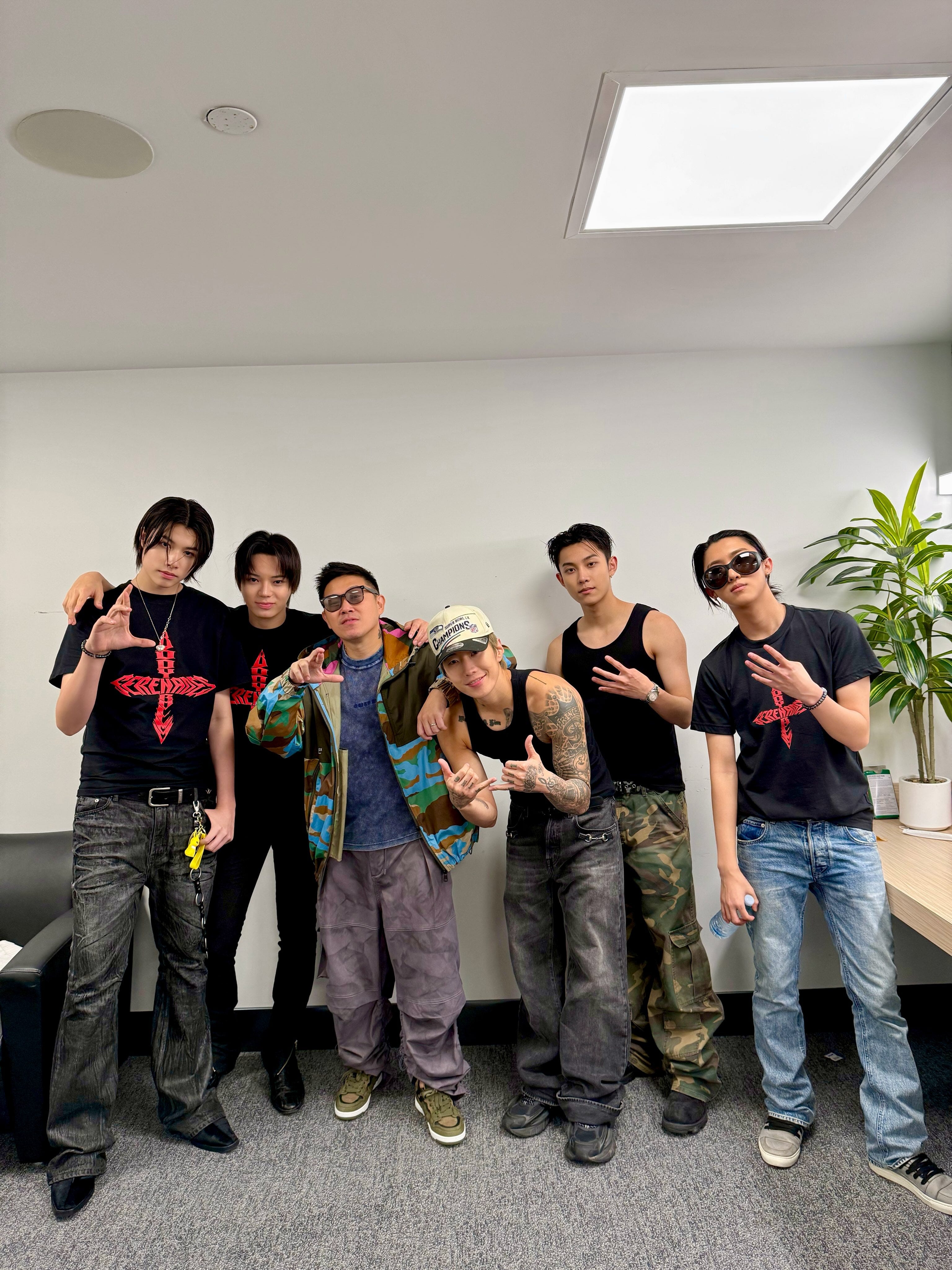
(Photo credit: @iammcjin)
Still, Park took moments to reflect on his two decade career, growing up with little examples of Asian representation as a hip hop-loving kid in Seattle. He says it was through breakdancing that helped him find community and “identity.”
“There wasn’t a lot of representation for Asian males that I could look up to.”
It’s fitting then that Park also found time to bring out MC Jin as a surprise guest in Toronto. MC Jin is known as the first Asian American solo rapper to be signed to a major record label in the United States, and first made his big break in 2002 on the BET show 106 & Park.
“One of the dopest MCs in the game. A legend in the game. [MC Jin] gave me inspiration, motivation,” Park said moments before MC Jin stepped on the stage.
The love was returned by MC Jin, who praised Park for opening the door for other Asian artists in the industry.
“In a chaotic business that can chew you up and spit you out, it’s a blessing to encounter sincere and kind souls. May we continue growing as artist and more importantly as people. It’s all love brother,” MC Jin later wrote on Instagram.
I grew up in a similar era as Park, and remember the days of holding onto any type of Asian representation I could find in mainstream media. K-pop was considered a niche interest. Asian leads were practically non-existent in North America. So to see two Asian trailblazers on stage together was certainly a throwback and a moment to reflect on how far things have come in 2026.
When it comes to LNGSHOT, one could argue that those boys will have an easier time navigating the industry after doors have been opened for them. Isn’t the purpose of representation creating a path for the next generation?
While many may not agree with everything Park does as a leader, I see a man simply trying to give his mentees what he didn’t have two decades ago.
That’s what I call progress.
For more updates, follow bunni pop on Instagram, TikTok and Threads.