


(Photo credit: Sunset Rollercoaster/Instagram & Photographer|EGG 連思博)
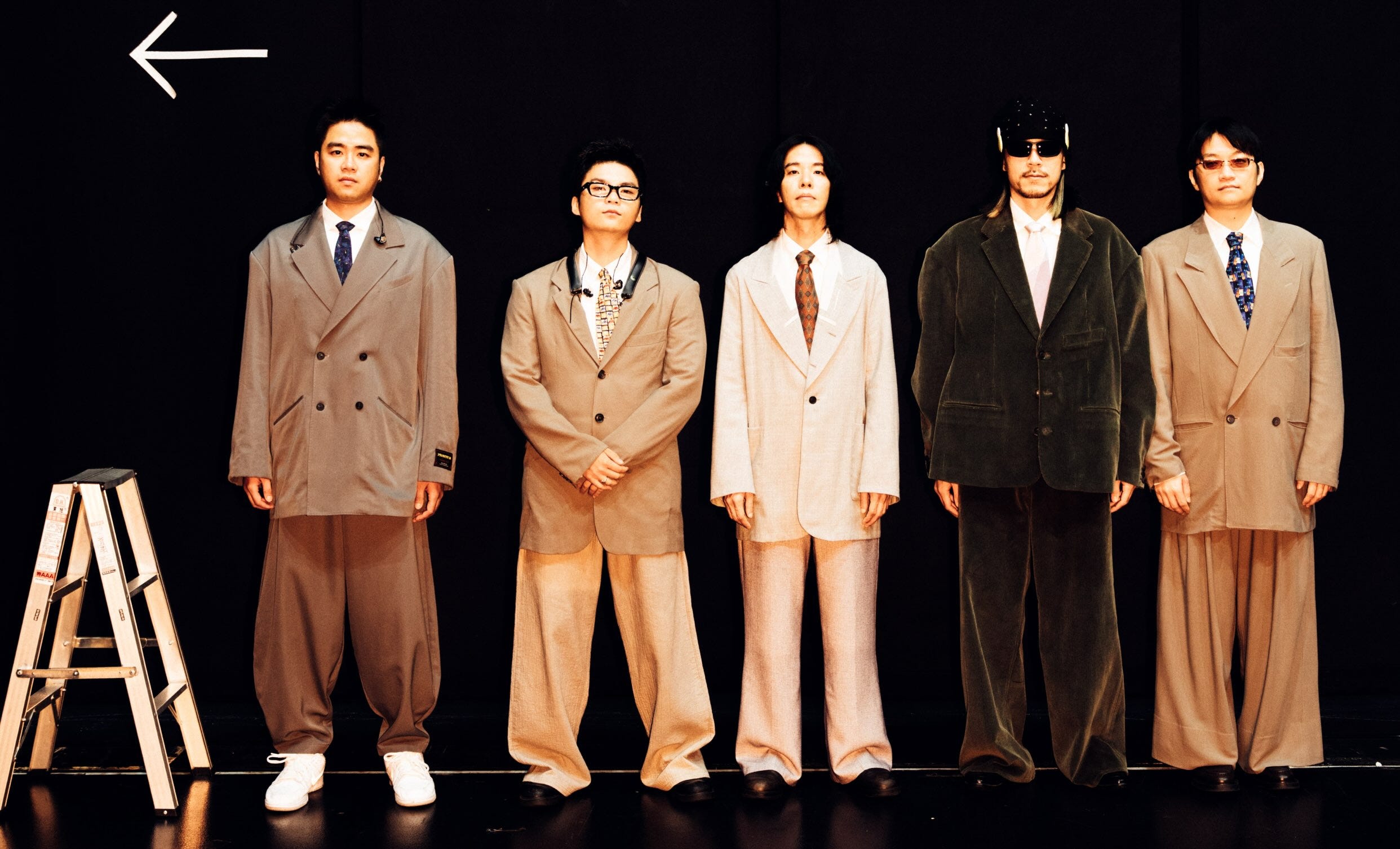
When Sunset Rollercoaster won Best Band at the Golden Melody Awards in June, it marked years of the Taiwanese band’s longevity and bond together as a group.
“For us, being in a band is kind of like five straight guys raising a child together in a non-traditional family,” lead singer Kuo said during the band’s acceptance speech.
“Our baby is the music we create, and we carefully nurture it while hoping it grows up to be free.”
The trophy was Sunset Rollercoaster’s second time winning the category at the awards and is considered one of the most prestigious musical prizes in the Chinese-speaking world. The band last won in 2021, for their album Soft Storm.
“Staying together for this long takes more than friendship. It also requires a lot of patience, trust, and compromise. So when we received the award, it felt as though everything we had experienced together over the years was finally being seen,” Kuo tells bunni pop in an interview weeks after winning the award.
“Fortunately, the child seems to be growing up healthy and hasn’t turned into a bad kid—at least not yet,” he adds with a laugh.
Sunset Rollercoaster is an indie rock band that first debuted in 2009 as a project on the social media platform MySpace. But after, the band took a hiatus, and only reformed in 2015.
Known for blending city pop, jazz and soul, Sunset Rollercoaster has become one of Taiwan’s most beloved and critically acclaimed indie bands. However, their reach has also crossed borders. In 2024, Sunset Rollercoaster collaborated with the South Korean indie band HYUKOH on the highly ambitious album AAA, forming a ten-piece band. That same year, Kuo also worked with BTS’s RM on the single “Come back to me”, part of the rapper’s solo album Right Place, Wrong Person.
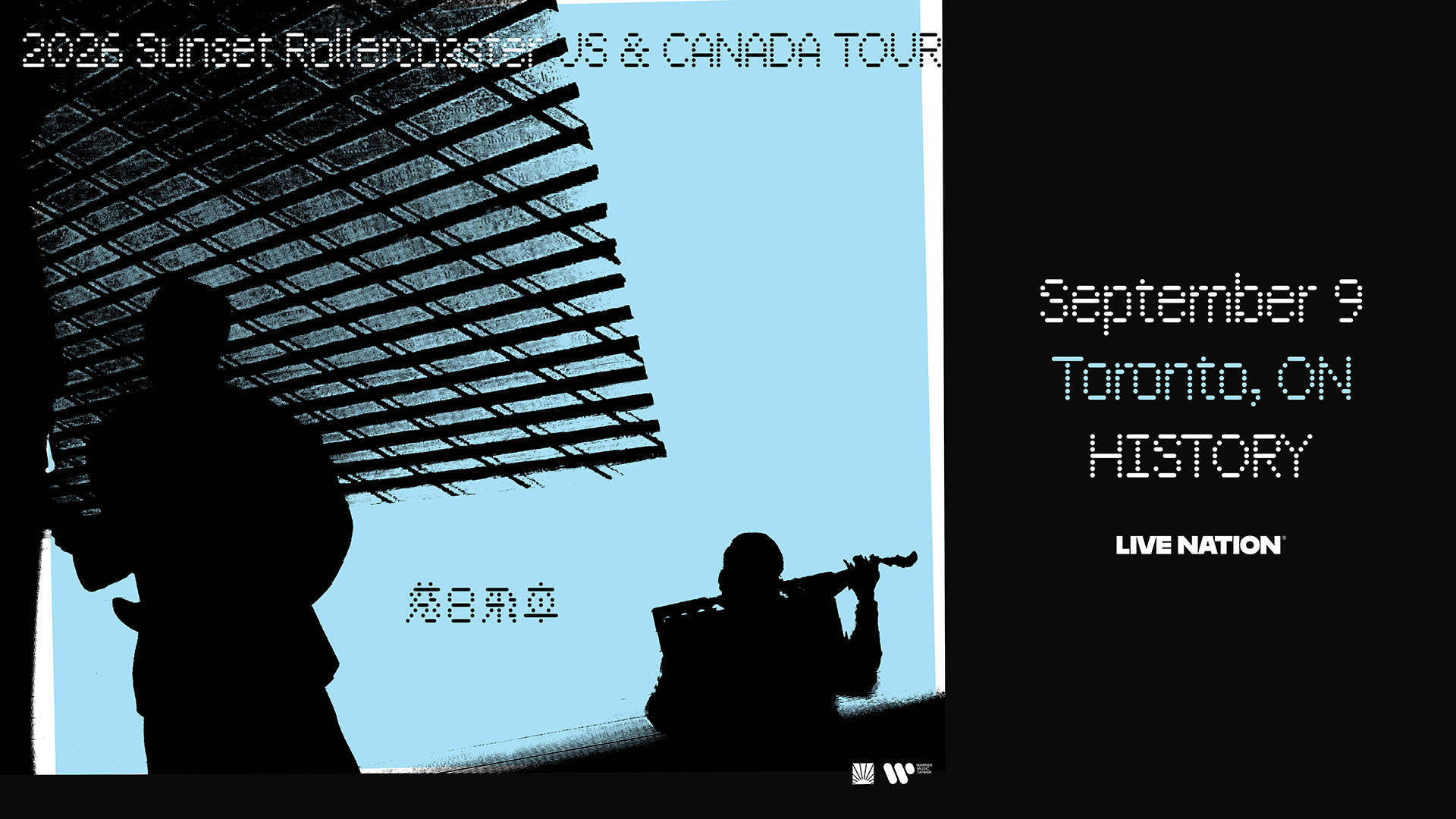
On September 9, Sunset Rollercoaster returns to Toronto for a concert at HISTORY. Below, singer Kuo discusses his band’s early origins, cross-cultural collaborations and the indie music scene in Taiwan.
(Conversation has been edited for length and clarity.)
For those who are just getting to know your music, how would you describe your style of music, and share a bit about your story!
We’re not really sure how to define our music. Over the years, people have described it as city pop, jazz, soul, or psychedelic rock. Those elements may all be there, but when we make music, we don’t usually start with a particular genre in mind. We care more about the groove, the atmosphere, and where a song can take you.
Our story began quite simply: a few people in Taipei got together because we wanted to have fun and play music. We went through a hiatus and later reformed. Then, thanks to the internet, we were very fortunate to have our music reach people in different cities around the world. We’ve been riding along ever since.
Are you looking forward to returning to Canada and to perform for audiences here?
Very much. We still remember playing two shows in one day the last time we were in Toronto. Looking back, we have no idea how we managed it (laughs). We had so much stamina back then. Now we might need to lie down quietly after just one show.
We’re very excited to return to Canada with new music and share where we are now with both old friends and new ones. We can’t wait to see everyone again
Can you share the story of how Sunset Rollercoaster was formed?
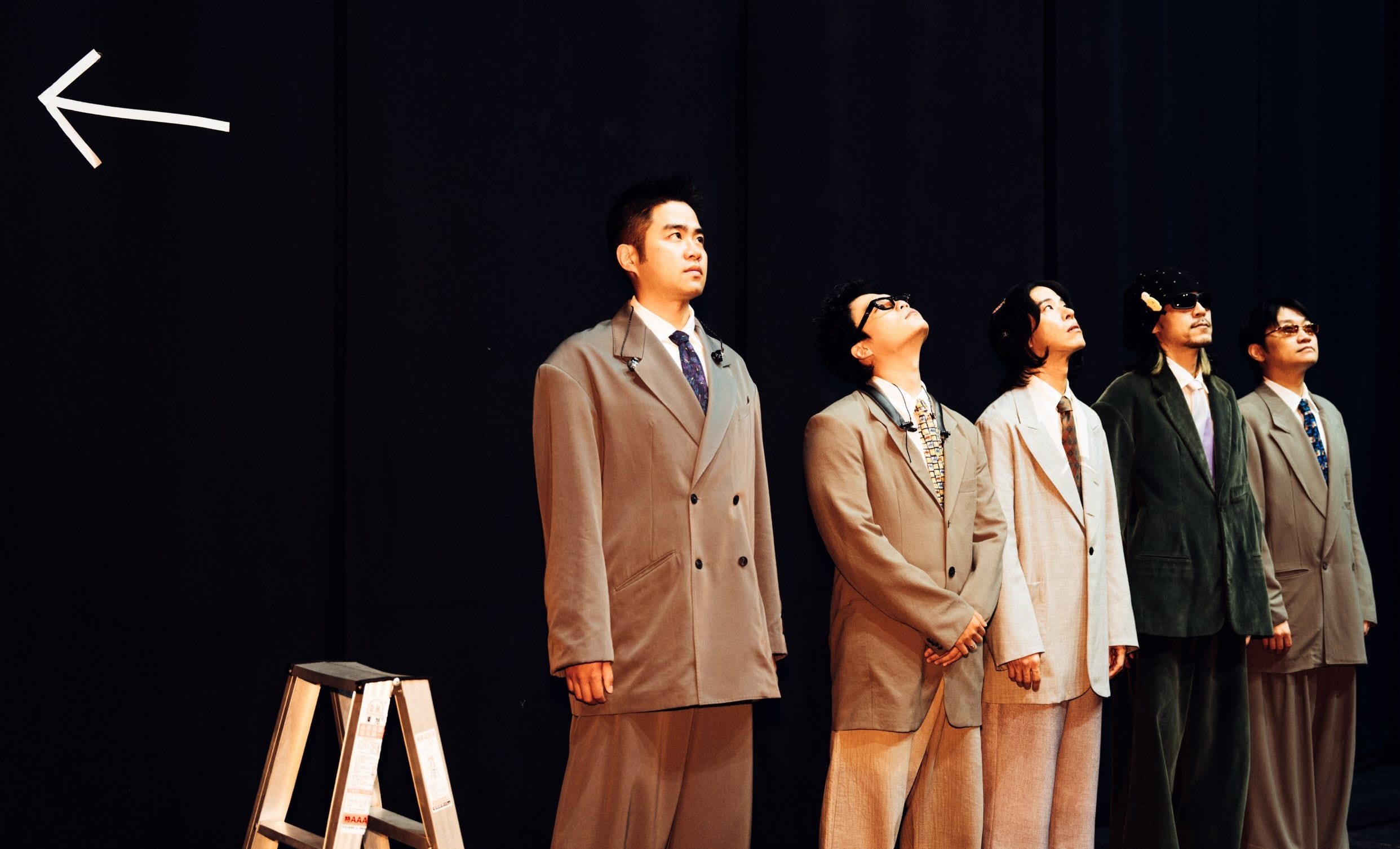
Sunset Rollercoaster first started in 2009 as a two-piece band. At the time, we wanted to upload some songs to MySpace, so we needed to come up with a band name. I happened to see a Photo Booth effect on my computer featuring a sunset background and a rollercoaster, so I randomly put the two words together and came up with “Sunset Rollercoaster.”
There wasn’t any deep philosophy behind the name, and we never expected to use it for this long. The band later went on hiatus for a while before restarting in 2015. After reforming, our direction in terms of sound and songwriting gradually became clearer. We then released Jinji Kikko, which introduced our music to a much wider international audience.
(Photo credit: Sunset Rollercoaster/Instagram & Photographer|EGG 連思博)
When people think of music coming out of Taiwan, they often think of the more mainstream mandopop singers like Jay Chou and Jolin Tsai. What would you say the scene was like for a band like yours when you first formed in 2009?
Taiwan already had a very vibrant independent music scene at the time, but it was smaller and mostly centred around a handful of live houses and music festivals. People mainly discovered new bands through live performances at venues such as Underworld, as well as online forums, blogs, and MySpace. It was very different from today, when streaming platforms, YouTube, and social media can help your music reach listeners around the world.
Mandarin pop still dominated the mainstream market, of course, but we didn’t feel much pressure to break into the mainstream. We simply made the music we wanted to make within our own circle and performed for anyone willing to come and listen. There were fewer resources than there are today, but that environment also gave us a great deal of freedom.
How has the indie scene in Taiwan grown since you came onto the scene?
The change has been enormous. Taiwan’s indie scene is no longer simply “alternative” or outside the mainstream—it has become part of the mainstream itself. There are now more music festivals, more professional venues, and audiences have become both more eclectic and more discerning.
More importantly, younger bands today have an international perspective from day one. Through streaming platforms, they can connect directly with listeners around the world. That was unimaginable when we were first starting out.
(Photo credit: Sunset Rollercoaster/Instagram & Photographer|EGG 連思博)
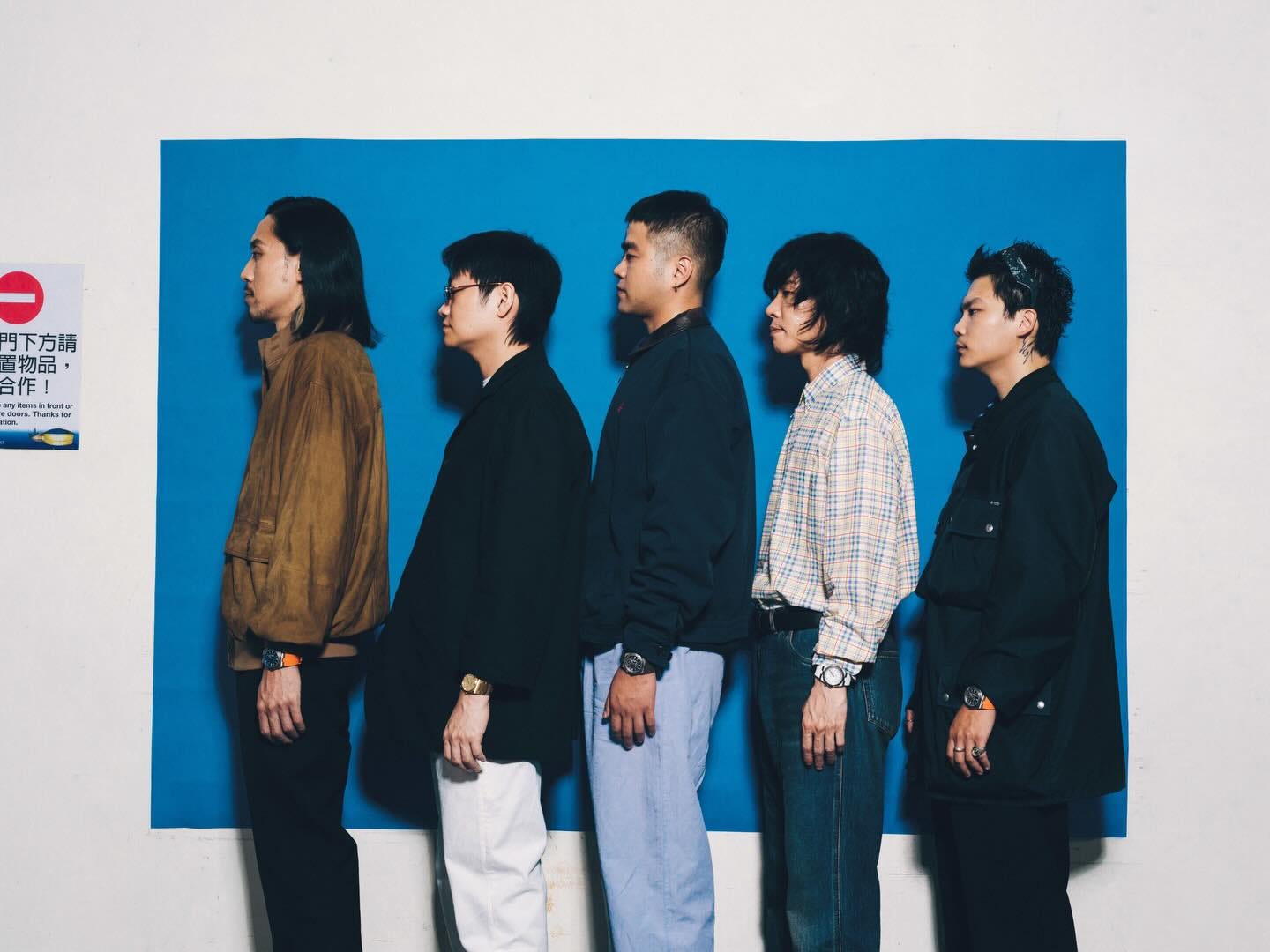
I wanted to ask you about your latest album QUIT QUIETLY. What kind of story did you want to share with that album?
It’s less like a story with a clear beginning and ending, and more like a collection of fragments from our lives over the past few years. There are many reflections on touring, ageing, relationships, and how approaching 40 makes you reconsider what you want to hold on to and what you’re ready to let go of.
After completing AAA (released in 2024), we naturally wanted to return to a smaller and more intimate sound. AAA was a large-scale project with ten musicians and a tremendous amount of energy, so this time we wanted to leave more space and allow every sound to breathe.
It isn’t a particularly sad album. It’s more like knowing that certain things are slowly disappearing, but not feeling the need to grab them back or find an immediate answer.
You worked with RM on his solo album Right Place, Wrong Person on his lead single “Come back to me.” After that, you even covered the song, giving it a more hopeful tone with a bossa nova sound. Meanwhile, RM’s is more reflective and melancholic. Can you share more insights about your take on the song?
Honestly, after we worked with RM on the song, his team asked if we would consider covering it. How could we possibly say no? (laughs)
But seriously, the melody and structure of the song are very interesting in themselves, and the introspective melancholy of the original is very compelling. Once we decided to cover it, we tried to bring in Sunset Rollercoaster’s sense of warmth and a bossa nova rhythm, hoping to give the song a different feeling.
You have also collaborated with Seoul-based HYUKOH on an album called AAA. What was that experience like?
AAA felt like a very long journey for us. From making the album together to touring as a ten-piece ensemble, our two bands gradually became one big family. Even though we speak different languages, our musical instincts are very similar. The experience also helped us discover many more creative possibilities in one another.
Is cross-cultural collaboration between different acts from other countries something that you want to do more of?
To be honest, I don’t think my cross-cultural collaborations have ever really stopped (laughs). To me, music is a way of communicating with friends from different places. Over the past few years, I’ve somehow ended up playing and making music with artists from many different countries.
Recently, I’ve also been quietly collecting a few interesting new experiments. Hopefully, all of these songs will be released soon, and we’ll be able to share them with everyone then!
What can people expect on your upcoming tour?
The upcoming tour will centre around our new album, QUIT QUIETLY. But since it has been four years since our last North American tour, there will definitely be plenty of Sunset Rollercoaster classics as well.
Audiences can look forward to hearing new live interpretations of the latest songs while also singing along with us to familiar favourites. We’re very excited to see everyone at the shows.
When many people think of the Asian music scene right now, it is often K-pop and mandopop that comes to mind. Do you hope to play a role in inspiring more bands like yours in Taiwan?
It would be impossible to replicate Sunset Rollercoaster, and Taiwan doesn’t need more bands that sound like us. There are already so many distinctive musicians in Taiwan. What truly matters is that they have the opportunity to be heard in their own way.
K-pop and Mandarin pop both have mature industry systems, but Asian music shouldn’t have only one shape or sound. All we can do is make our music as well as possible and perform in more places. If our experience can help open the door a little wider and make the journey easier for those who come after us, that would be wonderful.
Follow Sunset Rollercoaster on Instagram! Tickets for Sunset Rollercoaster’s concert at Toronto’s HISTORY are on sale now.
For more updates, follow bunni pop on Instagram, TikTok and Threads.